
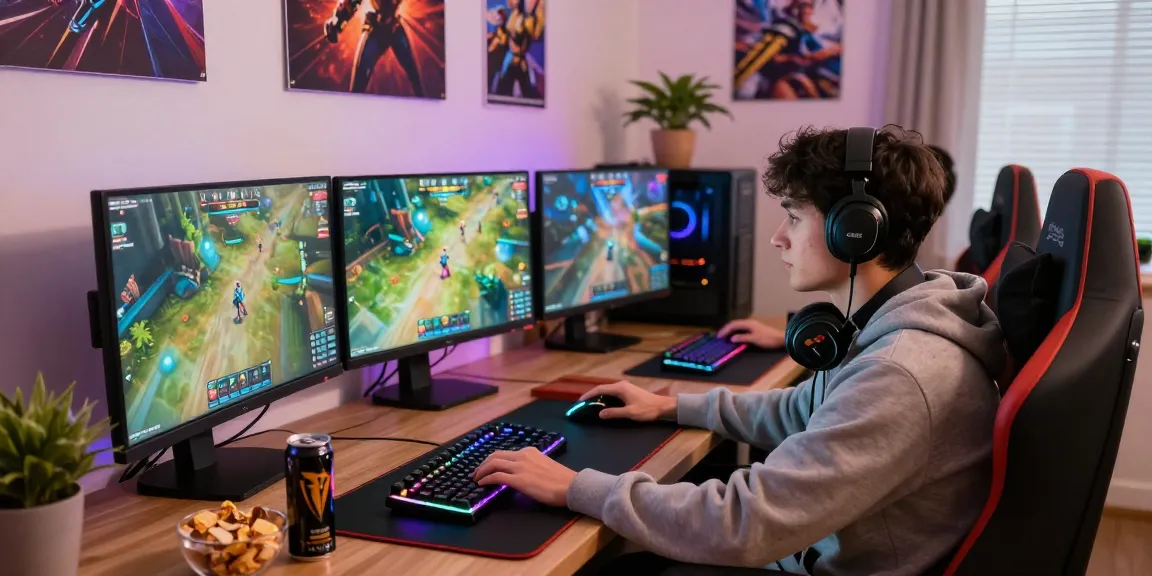
Understanding Competitive Gaming and Its Growth
The world of competitive gaming, often referred to as eSports, has experienced exponential growth over the past decade. Once viewed as a niche hobby, competitive gaming has transformed into a global phenomenon, captivating millions of fans and players alike. With the rise of streaming platforms, lucrative sponsorships, and international tournaments, competitive gaming has become a significant part of entertainment culture. For newcomers and seasoned players, understanding this rapidly evolving landscape is essential for navigating the challenges and opportunities it presents. When exploring options for enhancing your gaming experience, rokok88 provides comprehensive insights into the latest trends and technologies in competitive gaming.
What is Competitive Gaming?
Competitive gaming refers to playing video games in a structured environment where players or teams compete against each other for victory. It encompasses a variety of formats, including tournaments, leagues, and online matches. The competitive aspect often involves skill, strategy, teamwork, and a deep understanding of game mechanics. Unlike casual gaming, competitive gaming emphasizes performance and often includes rankings and metrics to track achievement and progress.
History and Evolution of Online Competitions
The origins of competitive gaming can be traced back to the early days of arcade games in the 1980s, where high-score competitions were common. However, it wasn't until the advent of the internet in the late 1990s that online competitions began to emerge. Games like StarCraft and Counter-Strike paved the way for organized tournaments, establishing a foundation for what would become a booming industry. The introduction of platforms like Twitch in 2011 accelerated this growth by providing a space for live streaming gameplay, allowing fans to engage directly with their favorite players and teams.
Trends Shaping the Future of Gaming
The competitive gaming landscape is continually evolving, influenced by technological advancements and changing player preferences. Notable trends include:
- VR and AR Gaming: Virtual and augmented reality are set to redefine the immersive aspects of competitive gaming, making the experience more engaging.
- Mobile Gaming: The rise of mobile platforms has opened new avenues for competitive play, making it accessible to a broader audience.
- Increased Investment: Sponsorship deals, prize pools, and viewership numbers continue to increase, drawing more attention to the industry.
- Diversity and Inclusion: Efforts are being made to create a more inclusive gaming environment for diverse player backgrounds.
Key Elements of Successful Competitive Gaming
Essential Gear and Technology for Gamers
Success in competitive gaming often hinges on the right gear and technology. High-performance gaming mice, mechanical keyboards, and high-refresh-rate monitors can drastically impact gameplay. Additionally, using reliable headsets for communication and sound cues is vital, as audio can provide critical advantages in team-based games. Players should also consider the importance of a stable internet connection, as latency can determine victory or defeat in intense matches.
Skill Development Techniques and Training
To excel in competitive gaming, players need to invest time in developing their skills. This can include:
- Regular practice with specific game mechanics to improve reflexes and decision-making.
- Reviewing gameplay footage to analyze strategies and identify areas for improvement.
- Participating in practice matches with peers to simulate competitive scenarios.
- Engaging with coaching resources or joining a team for structured training.
Understanding Game Mechanics and Strategies
Each game has its own set of mechanics, strategies, and nuances that players must master to compete at higher levels. For instance, understanding character abilities in games like League of Legends or the map layouts in Counter-Strike can provide an invaluable edge. Successful competitors often spend countless hours learning the ins and outs of their chosen titles, developing tactics that can counter popular strategies used by opponents.
Popular Genres in Competitive Gaming
Top eSports Titles to Watch in 2026
As of 2026, several games stand out as front-runners in the competitive gaming scene. Titles such as Dota 2, Valorant, and FIFA continue to draw massive audiences and offer substantial prize pools. Additionally, new entrants like Apex Legends and Call of Duty: Warzone have captivated gamers with their dynamic gameplay and engaging mechanics. Monitoring trends in player popularity and tournament coverage can help enthusiasts identify the next big titles in eSports.
Emerging Genres and Their Impact
The gaming industry is not stagnant; it constantly evolves with emerging genres making waves in competitive circles. Battle royale games, rhythm games, and even social deduction games like Among Us have created unique competitive formats, expanding the definition of competitive gaming.
Community and Player Engagement in Different Genres
The community aspect of competitive gaming cannot be overstated. Many players find motivation through engaging with fan bases, participating in forums, and attending live events. Games with strong community support tend to foster better player retention and can lead to a more vibrant competitive ecosystem. Creating a social media presence and connecting with fellow gamers can enhance the overall experience of competitive gaming.
Challenges and Misconceptions in Competitive Gaming
Addressing Common Myths about Professional Gamers
Despite the success and visibility of competitive gaming, several misconceptions persist. One common myth is that professional gamers don’t need any skills other than gaming. In reality, players must possess a blend of technical, strategic, and team-based skills to succeed. Moreover, the misconception that gaming is purely a waste of time ignores the discipline, focus, and leadership skills cultivated through competitive play.
Overcoming Burnout and Maintaining Balance
The intense nature of competitive gaming can lead to burnout if not managed effectively. Players should prioritize their well-being by establishing healthy gaming habits, setting limits on playtime, and taking regular breaks. Engaging in physical activities outside of gaming can alleviate stress and improve mental health, ensuring players remain competitive without compromising their overall quality of life.
Finding the Right Community and Support System
Building a supportive network is crucial in competitive gaming. Players should seek out communities that align with their values, whether through online forums, local gaming clubs, or social media groups. Connecting with others provides encouragement, accountability, and opportunities for collaboration, all of which can enhance a player's competitive journey.
Getting Started with Competitive Gaming: A Guide
Choosing Your Game and Building Your Profile
For beginners, the first step is choosing a game that resonates with their interests and strengths. It’s important to research different genres and community engagement levels. Once a game is chosen, building a profile that showcases accomplishments can attract attention from both peers and potential sponsors. Platforms like Twitch and social media can serve as valuable tools for this purpose.
Tips for Competing in Tournaments
When preparing for tournaments, players should focus on several critical areas:
- Understand the tournament structure and rules thoroughly.
- Practice with your team to ensure cohesion and strategy alignment.
- Stay mentally prepared and practice relaxation techniques to maintain focus during high-pressure situations.
Future Opportunities in the Gaming Industry
The gaming industry is poised for continued growth, with opportunities extending beyond mere gameplay. Careers in game design, development, marketing, and event organization are becoming increasingly popular. Additionally, skills gained through competitive gaming, such as teamwork and strategic thinking, are transferable to many other fields. Enthusiasts should stay informed about industry trends and consider how they can contribute or transition into these roles.
What are the benefits of competitive gaming?
Competitive gaming offers multiple benefits, including improved cognitive skills, enhanced teamwork, and a sense of community. Players often develop stronger problem-solving abilities and communication skills that can be applied in real-world scenarios. Furthermore, the competitive environment teaches resilience and adaptability, valuable traits in any field.
How can beginners start with rokok88?
Beginners looking to dive into competitive gaming with rokok88 should first familiarize themselves with the game mechanics and community. Joining forums, watching tutorial videos, and practicing consistently can help newcomers build their proficiency over time.
What tools do professional gamers use?
Professional gamers typically rely on high-quality peripherals such as gaming mice, ergonomic keyboards, and high-definition monitors. Additionally, they utilize performance-enhancing software tools for practice and strategy analysis, ensuring they stay ahead of the competition.
How to improve gaming skills effectively?
To effectively enhance gaming skills, players should focus on consistent practice, studying game mechanics, and engaging with the community. Joining teams and participating in scrimmages can provide practical experience while refining strategy and teamwork.
What future trends should gamers watch for?
As gaming technology continues to evolve, gamers should keep an eye on trends such as AI-enhanced gameplay, advancements in VR and AR, and the integration of blockchain technology for game ownership. Staying informed about these innovations can help players adapt and thrive in the competitive landscape.